


Choosing the right food for your dog can feel overwhelming. With hundreds of brands, ingredient claims, and feeding philosophies, many pet owners ask the same important question: what is the best dog food for dogs? The answer isn’t as simple as picking the most expensive bag or the most popular brand. The best dog food depends on nutrition, ingredient quality, your dog’s life stage, and specific health needs.
In recent years, dog food standards have improved, but marketing buzzwords have also increased. This guide breaks everything down clearly, helping you understand what truly matters when selecting the best dog food for dogs. Whether you’re a first-time dog parent or re-evaluating your current choice, this article will help you make a confident, informed decision.
Table of Contents
Understanding What the Best Dog Food for Dogs Really Means
When people ask what is the best dog food for dogs, they are usually looking for food that supports long-term health, energy, digestion, and overall well-being. High-quality dog food is not defined by trends like “grain-free” or “premium,” but by science-backed nutrition and ingredient transparency.
The best dog food for dogs should meet the following core standards:
- Complete and balanced nutrition following AAFCO guidelines
- High-quality protein sources such as chicken, beef, lamb, or fish
- Healthy fats for skin, coat, and brain function
- Digestible carbohydrates for energy
- Essential vitamins and minerals for immune support
Dogs are omnivores, meaning they thrive on a balanced mix of animal-based proteins and plant-based nutrients. The best dog food for dogs delivers this balance consistently, without unnecessary fillers or artificial additives.
Key Ingredients That Define the Best Dog Food for Dogs
High-Quality Protein Comes First
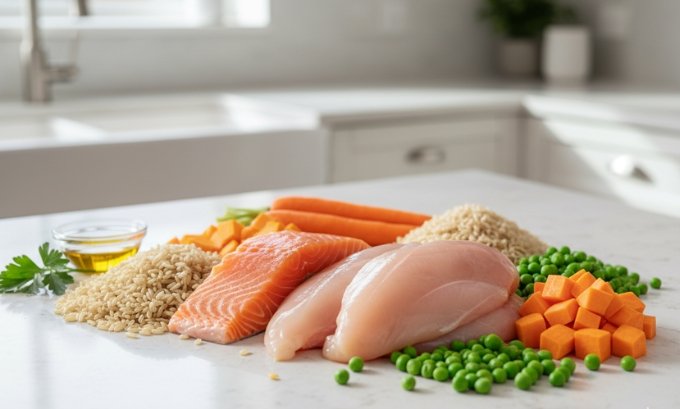
Protein is the foundation of canine nutrition. When identifying what is the best dog food for dogs, the first ingredient should always be a named animal protein. This supports muscle development, immune health, and energy levels.
Examples of quality protein sources include:
- Chicken or chicken meal
- Beef
- Turkey
- Salmon or fish meal
- Lamb
Avoid foods where the primary ingredients are vague terms like “meat by-products” or unnamed animal meals.
Healthy Fats for Energy and Coat Health
Fats are essential, not harmful. The best dog food for dogs includes healthy fat sources such as:
- Chicken fat
- Fish oil
- Flaxseed
These ingredients support joint health, cognitive function, and a shiny coat.
Balanced Carbohydrates and Fiber
Whole grains or vegetables provide energy and aid digestion. Despite popular myths, grains are not bad for most dogs. Brown rice, oats, sweet potatoes, and barley are all beneficial when used correctly.
Advantages of Feeding the Best Dog Food for Dogs
Improved Digestion and Gut Health
One of the biggest advantages of feeding the best dog food for dogs is improved digestion. High-quality ingredients are easier to absorb, resulting in:
- Firmer stools
- Less gas
- Reduced bloating
Dogs with sensitive stomachs often show rapid improvement after switching to nutritionally balanced food.
Stronger Immune System
Proper nutrition supports immune health. Foods rich in antioxidants, omega-3 fatty acids, and vitamins help dogs fight infections and maintain overall vitality.
Healthier Skin and Shinier Coat
If your dog suffers from itching, dull fur, or excessive shedding, diet may be the issue. The best dog food for dogs supplies essential fatty acids that promote skin hydration and coat shine.

Examples of the Best Dog Food Choices by Life Stage
Puppies
Puppies need higher protein and calorie levels to support growth. The best dog food for dogs in this stage contains DHA for brain development and balanced calcium for bone growth.
Adult Dogs
Adult dogs benefit from maintenance formulas that provide steady energy without excess calories. Balanced protein and fiber are key here.
Senior Dogs
Senior dogs require joint support, fewer calories, and highly digestible proteins. Foods with glucosamine and omega-3s are ideal.
A trusted resource like Pet Pantry Plues offers guidance and curated options that help pet owners choose food suited to each life stage, making the decision process simpler and more reliable.
Common Myths About the Best Dog Food for Dogs
Myth 1: Grain-Free Is Always Better
Grain-free diets are only necessary for dogs with specific allergies. For most dogs, grains are a valuable energy source.
Myth 2: Expensive Means Higher Quality
Price does not always equal quality. The best dog food for dogs is determined by ingredients and nutritional balance, not marketing.
Myth 3: Dogs Should Eat Like Wolves
Modern dogs have evolved to digest a wider variety of foods. A balanced commercial diet is safer and more complete than raw or homemade diets without veterinary supervision.
How to Choose the Best Dog Food for Dogs
When selecting the best option, always:
- Read the ingredient list carefully
- Look for AAFCO nutritional adequacy statements
- Match food to your dog’s age, size, and activity level
- Monitor your dog’s response after switching foods
Gradual transitions help prevent digestive upset and allow you to observe improvements in energy, coat quality, and stool consistency.
Conclusion
So, what is the best dog food for dogs? The best choice is one that provides complete and balanced nutrition, uses high-quality ingredients, and supports your dog’s unique needs at every life stage. There is no single perfect brand for every dog, but there is a perfect balance of nutrition that every dog deserves.
By focusing on protein quality, healthy fats, digestibility, and science-based formulation, you can confidently select food that promotes long-term health and happiness. Reliable platforms like Pet Pantry Plues make it easier for dog owners to navigate choices and prioritize nutrition over marketing hype.
Ultimately, the best dog food for dogs is the one that keeps your companion energetic, comfortable, and thriving today and for years to come.
