

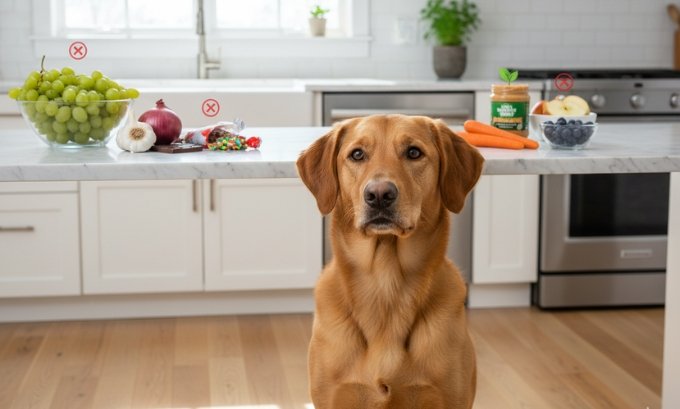
Knowing what foods dogs cannot eat is one of the most important responsibilities of a pet parent. Many everyday human foods that seem harmless can be toxic, even life-threatening, for dogs. Some cause mild stomach upset, while others can lead to organ failure or death.
In this guide, we will clearly explain what foods can dogs not eat, why these foods are dangerous, common symptoms of food poisoning, and safer alternatives. This article is written to be easy to read, vet-informed, and SEO-optimized so you can quickly find the answers you need.
Table of Contents
Why Some Human Foods Are Dangerous for Dogs
Dogs digest food very differently than humans. Their bodies cannot safely process certain chemicals, fats, and sugars commonly found in human diets. Even small amounts of toxic foods can cause serious reactions.
Understanding what foods dogs should not eat helps prevent emergency vet visits and keeps your dog healthy for years to come.
Top Foods Dogs Should Never Eat
Below is a categorized list of the most dangerous foods for dogs. These are foods dogs should never be fed.
Chocolate and Caffeine
Why chocolate is toxic to dogs
Chocolate contains theobromine and caffeine. Dogs cannot break these substances down efficiently. Dark chocolate and baking chocolate are especially dangerous.
Foods to avoid:
- Dark chocolate
- Milk chocolate
- Cocoa powder
- Chocolate cake, cookies, brownies
- Coffee, tea, energy drinks
Possible symptoms:
- Vomiting and diarrhea
- Rapid heartbeat
- Tremors or seizures
- Restlessness
Even small amounts can be fatal, especially for small dogs.
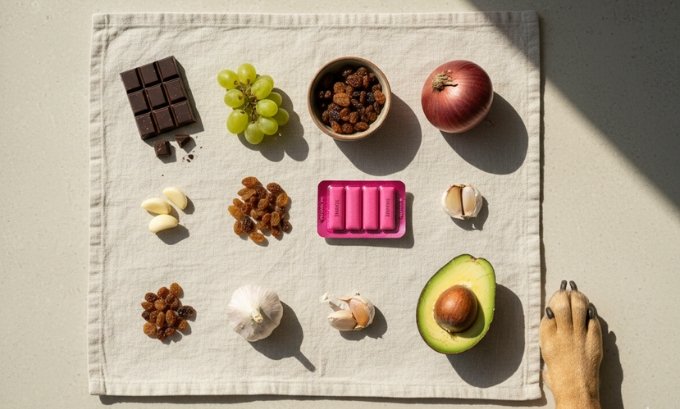
Grapes, Raisins, and Fruit Pits
Grapes and raisins
Grapes and raisins can cause sudden kidney failure in dogs. The exact toxin is unknown, which makes them extremely risky.
Avoid completely:
- Fresh grapes
- Raisins
- Foods containing raisins (cookies, cereal)
Fruit pits and seeds
Pits and seeds from certain fruits contain cyanide and are choking hazards.
Unsafe fruits include:
- Cherries
- Peaches
- Plums
- Apricots
- Apple seeds (small amounts can still be harmful)
Xylitol and Artificial Sweeteners
Xylitol is one of the most dangerous foods dogs cannot eat. It is commonly found in sugar-free products.
Common sources of xylitol:
- Sugar-free gum
- Candy and mints
- Baked goods
- Some peanut butters
- Toothpaste
Why it’s dangerous:
Xylitol causes a rapid release of insulin, leading to dangerously low blood sugar and liver failure.
Symptoms appear fast:
- Weakness
- Vomiting
- Loss of coordination
- Seizures
Immediate veterinary care is critical.
Onions, Garlic, and Allium Vegetables
All members of the allium family are toxic to dogs, whether raw, cooked, or powdered.
Foods dogs should not eat:
- Onions
- Garlic
- Leeks
- Chives
- Shallots
These foods damage red blood cells and can cause anemia.
Watch for symptoms such as:
- Lethargy
- Pale gums
- Rapid breathing
- Weakness
Alcohol and Yeast Dough
Alcohol
Dogs are extremely sensitive to alcohol. Even small amounts can be fatal.
Sources include:
- Beer
- Wine
- Liquor
- Foods cooked with alcohol
Risks:
- Vomiting
- Difficulty breathing
- Coma
Raw yeast dough
Raw dough expands in a dog’s stomach and produces alcohol during fermentation.
Macadamia Nuts and High-Fat Nuts
Macadamia nuts are toxic to dogs and should never be fed.
Symptoms include:
- Muscle weakness
- Tremors
- Fever
- Vomiting
Other nuts like walnuts, pecans, and almonds are not safe either. They are high in fat and can cause pancreatitis or intestinal blockages.
Avocado
Avocados contain persin, which can be harmful to dogs. The pit is also a major choking hazard.
Risks include:
- Vomiting
- Diarrhea
- Pancreatitis due to high fat
Cooked Bones
Many people believe bones are natural for dogs, but cooked bones are dangerous.
Why dogs should not eat cooked bones:
- They splinter easily
- Can cause choking
- Can puncture the stomach or intestines
- Can lead to bowel blockages
Raw bones should only be given under veterinary guidance.
Other Foods Dogs Should Not Eat
These foods are not always immediately toxic but can still be harmful.
- Salty snacks (chips, pretzels)
- Sugary desserts
- Ice cream
- Nutmeg and excessive spices
- Fatty leftovers
- Fried foods
Over time, these foods can lead to obesity, diabetes, and digestive problems.
Symptoms of Food Toxicity in Dogs
Knowing the signs helps you act fast.
Common symptoms include:
- Vomiting
- Diarrhea
- Excessive drooling
- Lethargy
Severe symptoms include:
- Tremors
- Seizures
- Difficulty breathing
- Collapse
If you notice any of these symptoms and suspect food poisoning, contact your vet immediately.
What to Do If Your Dog Eats Unsafe Food
- Stay calm
- Remove any remaining food
- Do not induce vomiting unless a vet tells you to
- Call your veterinarian or emergency animal clinic
Quick action can save your dog’s life.
Safe Treat Alternatives for Dogs
Instead of risky human foods, choose safer options.
Dog-safe foods in moderation:
- Plain cooked chicken
- Carrots
- Pumpkin (plain, cooked)
- Blueberries
- Apples (without seeds)
Always introduce new foods slowly.
FAQs: What Foods Can Dogs Not Eat
What common foods are toxic to dogs?
Chocolate, grapes, raisins, xylitol, onions, garlic, alcohol, and macadamia nuts are some of the most toxic foods for dogs.
Can dogs eat fruits safely?
Some fruits are safe, like apples without seeds and blueberries. Grapes, raisins, and fruit pits are unsafe.
How much chocolate is dangerous for dogs?
Even small amounts can be dangerous. Dark chocolate is the most toxic and requires immediate vet care.
Is peanut butter safe for dogs?
Yes, but only if it does not contain xylitol. Always check the label before feeding.
What should I do if my dog eats something toxic?
Contact your vet or an emergency animal clinic immediately. Do not wait for symptoms to appear.
Conclusion
Understanding what foods can dogs not eat is essential for every dog owner. Many common household foods can cause serious health problems, even in small amounts. By avoiding toxic foods, watching for symptoms, and choosing safe alternatives, you can protect your dog’s health and happiness. Staying informed through reliable pet care platforms such as Pet Pantry Plues can help dog owners avoid harmful foods and make safer feeding choices every day.
When in doubt, always choose dog-approved foods and consult your veterinarian. A little knowledge goes a long way in keeping your furry friend safe and thriving.
